
custom mirror panels
Replacing the Outside Water Valve A Step-by-Step Guide The outside water valve is an essential component of your home’s plumbing system, controlling the water flow to your outdoor spigots and irrigation systems. Over time, valves can corrode or develop leaks, leading to water waste and potential damage to your property. Replacing a faulty outside water valve may seem daunting, but with the right tools and a bit of know-how, this task can be accomplished efficiently. This article will guide you through the process of replacing your outside water valve, ensuring you can maintain a functional and leak-free plumbing system. Tools and Materials Needed Before you start, gather the necessary tools and materials. You will need - A new outside water valve (make sure to choose the appropriate size) - A pipe wrench or adjustable wrench - A screwdriver - Teflon tape - Plumber's grease - A bucket or towel for any residual water - Safety goggles - A utility knife (if needed) Step 1 Turn Off the Water Supply The first and most crucial step is to turn off the main water supply to your house. This will prevent any unwanted flooding while you work. Locate the main shut-off valve, typically found in the basement or near the water meter, and turn it clockwise until it is fully closed. Once the water supply is off, open any outdoor spigots to relieve pressure and drain any remaining water from the pipes. Step 2 Remove the Old Valve After ensuring that the water supply is off and the pipes are drained, locate the old valve. Depending on its installation, it may be secured with screws or tightly threaded onto the pipes. Use your pipe wrench to loosen the fittings. If the valve is attached to copper pipes, you may need to cut the old valve out with a utility knife or pipe cutter; be cautious to avoid damaging the surrounding pipes. Be sure to have a bucket or towel on hand to catch any residual water that might still be in the pipes . Once the valve is removed, inspect the surrounding area for any signs of corrosion or damage that might need addressing before installing the new valve. outside water valve replacement Step 3 Install the New Valve With the old valve removed, it’s time to install the new one. Begin by applying Teflon tape to the threads of the new valve to ensure a watertight seal. Then, position the valve onto the pipes and secure it tightly using your wrench. Avoid overtightening, which can damage the threads or crack the valve. Once the new valve is in place, check to make sure it is correctly oriented, allowing you to turn it easily into the open and closed positions. Step 4 Turn the Water Supply Back On With the new valve installed, it’s time to turn the water supply back on. Go back to the main shut-off valve and turn it counterclockwise. As the water flows back into the system, check for any leaks around the new valve. If you notice any drips, tighten the fittings slightly until the leaks stop. Step 5 Test the New Valve Finally, you’ll want to test your new valve. Open the outdoor spigot gradually and observe for any leaks or abnormalities. Ensure that the water flows smoothly and that you can easily turn the valve on and off. Conclusion Replacing an outside water valve is a manageable DIY project that can save you money and prevent future plumbing headaches. By following these steps, you can ensure a proper installation and maintain the integrity of your home’s plumbing system. Remember to prioritize safety and, if you feel uncertain at any point, consulting a professional is always a wise choice. Happy plumbing!
about
custom mirror panels
Enhancing online visibility requires the strategic use of SEO, and selecting the appropriate type filter can significantly impact the success of your product-based website. Mastering this element involves a deep understanding of real-world applications, technical proficiency, authoritative guidance, and a trusted reputation—key components in SEO effectiveness. In today's digital commerce landscape, consumers demand precision and efficiency in their online shopping experiences. The implementation of type filters is integral to optimizing your website not only for user satisfaction but also for search engine ranking. Proper type filter use directly correlates with reduced bounce rates and increased conversion rates, elements that search engines prioritize. Consider the experience of an ecommerce platform specializing in electronics. Customers arriving at the site often possess a distinct product type in mind, whether it's laptops, smartphones, or accessories. A well-designed type filter enables users to seamlessly navigate to their desired category, positively influencing the user experience and encouraging prolonged site engagement. This intuitive navigation system mirrors the process of a seasoned shopper walking through a well-organized brick-and-mortar store, directly impacting the site's perceived credibility and trustworthiness. From an expertise standpoint, crafting type filters necessitates an understanding of both market trends and consumer behavior. The ability to anticipate what filters users are most likely to employ requires data-driven insights. Utilizing tools like Google Analytics to review high-traffic demands and search queries can guide the creation of precise filter categories, ensuring that your type filters meet the expectations of diverse user segments. y type filter Authoritativeness is established when you position your website as a leading voice in your industry. This is achieved through comprehensive and well-crafted content that accompanies your type filter categories . Offering detailed product descriptions, insightful reviews, and up-to-date specifications empowers potential buyers with the knowledge they need, thus reinforcing your site as an authoritative resource. This boost in expertise further assists in building trust with search engines, which recognize and reward authoritative content with higher rankings. Trustworthiness, however, cannot be understated in its significance. Customers and search engines alike base trust on both transparency and security. Clear labeling of type filters, ensuring that users arrive at the correct product listings, establishes trust in site navigation. Additionally, SSL certifications and secure payment gateways signal safety assurances to visitors, vital for SEO as search engines prioritize secure sites. In conclusion, while implementing type filters on your product-centric website may seem a straightforward task, its tactical execution can elevate your online presence significantly. By integrating type filters that enhance user experience, demonstrate expertise, establish authority, and build trust, you cater to both consumer needs and SEO mandates. The optimization, therefore, is not merely technical but strategic, strengthening your site's position in an ever-competitive digital marketplace.
-

High quality industrial productsagement

High quality industrial products
View Details -

Meet the diverse needs of customers

Meet the diverse needs of customers
View Details -

Strict quality control

Strict quality control
View Details -

Top raw materials

Top raw materials
View Details -

Trusted supplier

Trusted supplier
View Details
Our application


news and information
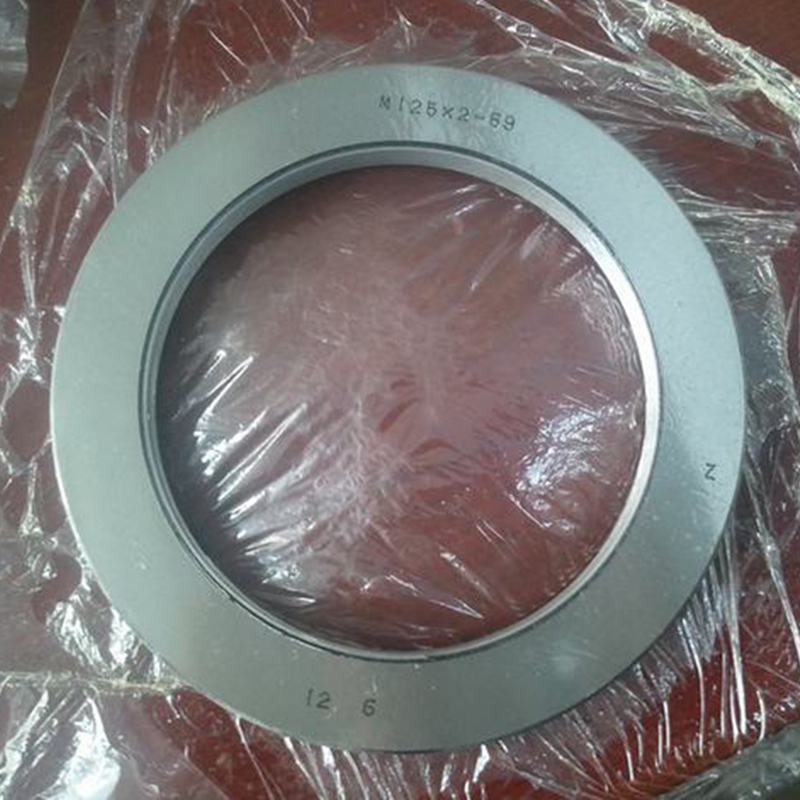
Vertical Y Strainers for Efficient Liquid Filtration Solutions
vertical y strainer .

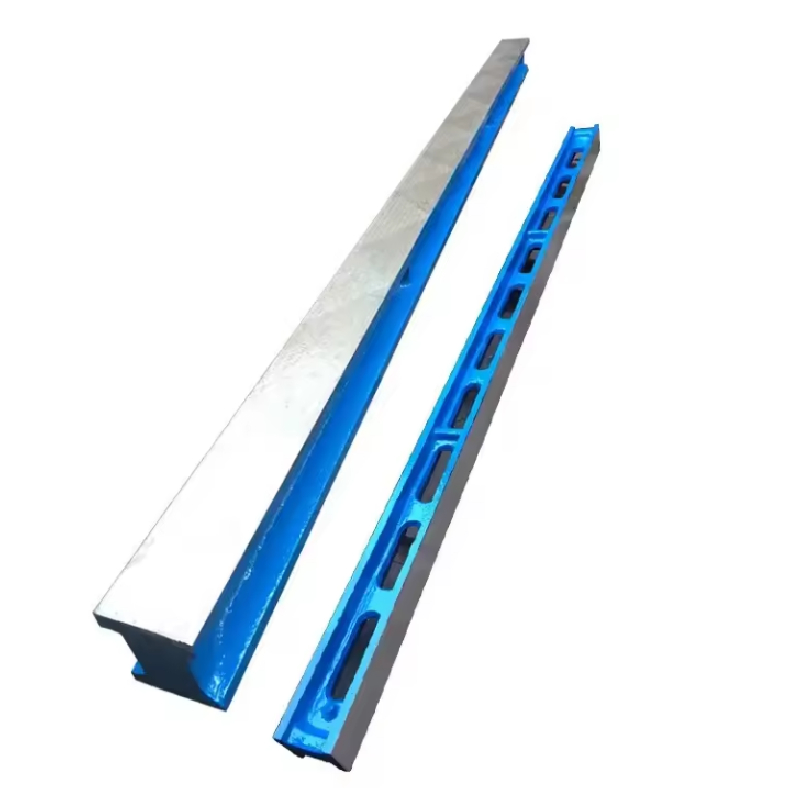
Versatile Magnetic Vee Block for Precision Workholding and Machining Applications
The Magnetic Vee Block A Versatile Tool for Precision Alignment In the realm of manufacturing and ma
Water Hose Safety Understanding Check Valves Functionality
Understanding the Importance of Water Hose Check Valves A water hose check valve, also known as a n
 English